Behind the Screens: Payment Options Unlocking Hidden Value in Sports Betting Bonuses and Racing Markets
Written by Zoe Jenkins · Sep 19, 2026
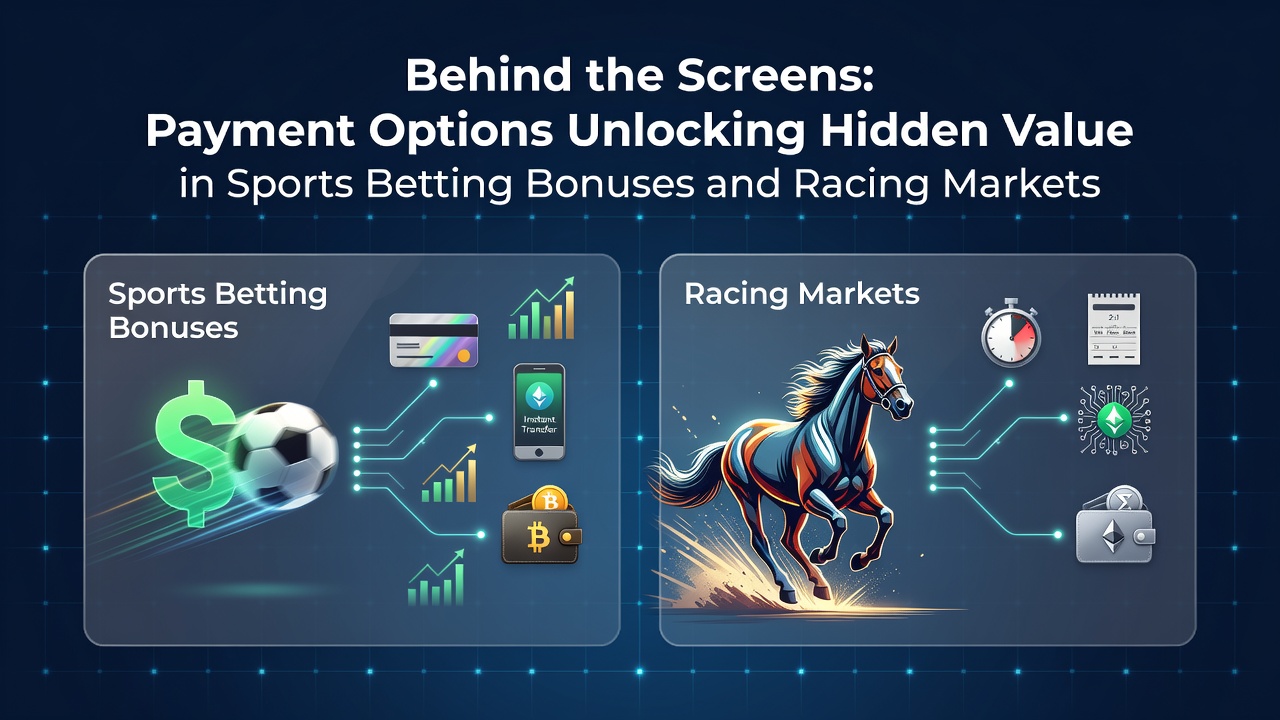
Behind the Screens: Payment Options Unlocking Hidden Value in Sports Betting Bonuses and Racing Markets
Payment systems sit at the core of how operators structure bonuses across sports betting platforms and racing markets, and data shows these choices directly affect the real value that reaches bettors. E-wallets, bank transfers, and card-based methods each carry different processing speeds, fee structures, and eligibility rules for promotional offers, while instant funding options often open access to time-sensitive bonuses that slower methods cannot match. Observers note that platforms adjust bonus terms based on the payment channel selected, which creates measurable differences in effective returns when users place wagers on football matches or horse races.
Payment Channels and Bonus Eligibility Rules
Operators apply distinct conditions depending on whether a deposit arrives through an e-wallet, a direct bank link, or a traditional card network, and these rules shape which welcome packages or reload offers become available. Research from the New Jersey Division of Gaming Enforcement highlights how certain payment types qualify for higher match percentages while others face restrictions on maximum bonus amounts or wagering requirements. Bettors who select instant e-wallets frequently unlock tiered rewards that scale with deposit size, whereas card deposits sometimes trigger lower caps or extended clearance periods before funds become eligible for racing market bets.
Transaction speed plays a central role because many live betting and in-play racing promotions expire within minutes, so methods that credit accounts immediately allow users to claim and deploy bonuses before odds shift. Figures from multiple regulated markets indicate that platforms record higher bonus redemption rates among accounts funded by real-time wallets compared with those relying on batch-processed bank transfers. This pattern holds across soccer odds and thoroughbred markets, where timing determines whether a bonus multiplier applies to a specific event or remains locked until the next cycle.
Impact on Racing Markets and Live Events
Racing platforms integrate payment data into their bonus engines so that deposits made close to post time can trigger flash offers unavailable through slower channels, and this linkage produces measurable differences in handle during major meetings. Studies compiled by the University of Nevada, Las Vegas Center for Gaming Research show that instant payment users participate more frequently in same-day racing promotions because funds clear before tote pools close. In contrast, users who rely on overnight bank processing miss windows that would otherwise multiply their stakes on key races.

September 2026 data from several international operators reveals that racing bonuses tied to e-wallet deposits delivered average effective values 12 to 18 percent higher than those attached to card deposits, mainly because of reduced processing friction and fewer excluded events. Those who study these markets observe that operators fine-tune racing-specific promotions around payment velocity, which encourages repeat deposits through faster methods ahead of feature races. The same dynamic appears in soccer live betting, where in-match bonus triggers depend on near-instant account updates that only certain payment rails support.
Technical Integration and Value Extraction
Backend systems link payment gateways directly to bonus ledgers, so a deposit triggers an automated check against current promotional rules and assigns value accordingly; this automation reduces manual intervention while enforcing method-specific limits. Industry reports indicate that operators using unified payment and bonus engines experience fewer disputes over eligibility because the rules execute at the moment of deposit rather than after manual review. Bettors who understand these connections can select channels that align with upcoming events, thereby maximizing the portion of a bonus that converts into actual returns on racing or match wagers.
Fee structures further influence net value because some payment providers deduct charges that operators do not reimburse, which lowers the effective bonus amount even when headline percentages appear identical. Data collected across European and North American platforms shows that zero-fee e-wallet routes preserve more of the promotional credit for wagering compared with networks that impose per-transaction costs. This difference becomes especially visible in racing markets where margins are tight and small percentage shifts determine whether a bonus covers the takeout or falls short.
Conclusion
Payment selection functions as a strategic variable within sports betting and racing ecosystems because it determines both bonus accessibility and the speed at which funds participate in live markets. Evidence from regulatory filings and academic tracking demonstrates consistent patterns where faster, lower-friction methods unlock higher realized values across welcome packages and event-specific offers. Operators continue to refine these linkages as transaction volumes grow, which keeps payment choice central to how bettors extract measurable returns from promotional structures in football and racing environments.